Pupils at Westbridge Academy recently had an inspiring visit from rising British rapper/songwriter, J Grange.
J Grange (real first name, Jack), faced mental health challenges during his time in education, and found music to have a positive impact on his life and wellbeing.
Jack came to Westbridge Academy and spoke to pupils about mental health and his previous experiences in past schools. He challenged them to think of their future and how, with the right mindset nothing is impossible for them to achieve. Jack also spoke about his recent success in music – having performed on BBC radio and getting over 250,000 views on his music youtube channel.
Gil Walters, Learning & Progress in Music at the Raedwald Trust arranged the visit. Gil said: “The workshops at Westbridge were fantastic – it was a pleasure having Jack come in to talk with the pupils about mental health and his own personal journey growing up at school.
“Jack spoke to three different groups of young people throughout the course of an afternoon about his life and experiences. The young people were inspired to talk to someone who has shared similar experiences to them and is now working as a successful musician. All pupils were engaged, and listened – some even took part in a discussion with Jack.
“The pupils responded really well to the workshop and could relate to a lot of Jack’s points throughout the presentation. They were really impressed to hear about what he had achieved musically in such a short time.”
Keen to develop their own musical talent, a group of pupils from Westbridge Academy will be singing at Snape Maltings Concert Hall, Snape, Suffolk on the 3rd of March in a celebration event that is held every year for schools across Suffolk. The singers will be performing three songs in total.
For more information about the celebration event at Snape Maltings Concert Hall, click here.
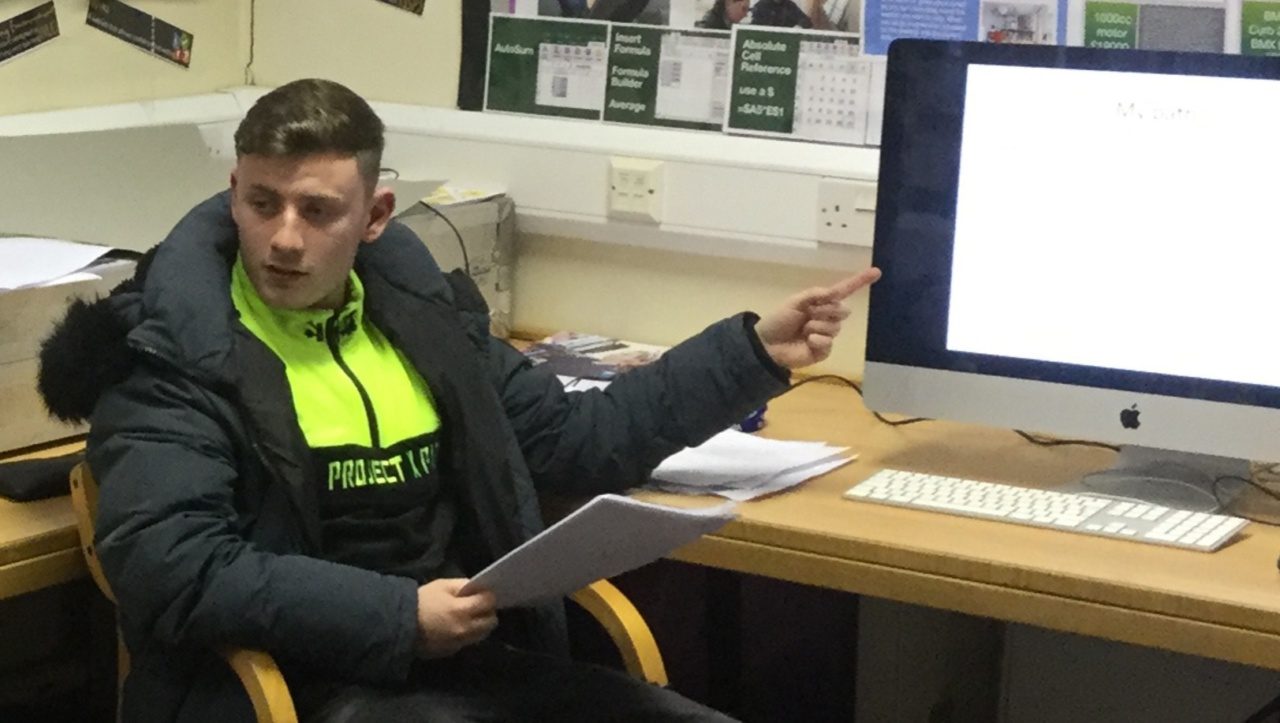
Year 11 pupils at Lindbergh Campus were recently put through their paces with mock employment interviews.
The interviews were geared towards potential future employment opportunities, and were facilitated by careers guidance company, All Together.
The interview process took place over two sessions. The first session guided pupils through interview techniques and tips on how to fill out a job application. The second session consisted of an interview with an actual local employer, based on the application the pupils had written in the first session.
Tim James, Pupil Engagement Lead at the Raedwald Trust said: “The pupils found the experience extremely useful, and it helped to give them deeper insight into the application and interview process. One pupil has since received a call back for a follow up interview!
“The Year 11’s should be congratulated for their impeccable behaviour – we have had some excellent feedback from employers.”
The Lindbergh Campus at the Raedwald Trust provides education for young people between the ages of 11 and 16. Click here to find out more about how the dedicated team of professionals at Lindbergh help young people to learn, develop their social skills, gain in confidence and take full advantage of their educational options.

The Raedwald Trust has developed a Real Life Skills programme for pupils across the Trust.
The aim of the programme is to strengthen young peoples’ social and emotional capabilities with activities complementary to their academic work, whilst also giving them skills they can utilise for the rest of their lives.
The bespoke programme has been designed on a model of learning that focuses on pupils being able to achieve and develop core skills through a range of activities. Shelter building, problem solving, an allotment project, climbing, swimming and crafts are all examples of activities that are included in the Real Life Skills programme.
The programme is centred around five key phases of learning:
Inspire – pupils are given information on their topic or theme of learning and are then invited to share ideas and plans.
Explore – pupils explore and implement their ideas and learn through trial and error and planning and designing.
Create – pupils’ learning is a blend of teamwork and independent learning opportunities designed to develop targeted skills and learning.
Retry – pupils have the opportunity to retry and repeat learning to reinforce the skills they are developing.
Reflect – pupils are given time during the learning activities to reflect on their own participation and social and emotional development as the programme develops.
Each of the Key Stage 3-4 schools in the Trust have dedicated time each week for the Real Life Skills programme which runs on a half-termly cycle. Pupils identified by their school as requiring to develop certain personal, social and emotional development (PSED) skills are put forward for the programme, and once a pupil has been selected, their PSED needs are assessed. On the programme, pupils are set group targets and their own individualised goals, which are taken from their own individual learning plans.
The dedicated Real Life Skills coordinator monitors group and individual pupil targets on a week to week basis during the programme. Pupils have an ‘entry’ profile at the start of the half term and an ‘exit’ profile at the end of the half term which shows their progress over the 7 week programme.
Feedback has been very positive from participating pupils, with some Key Stage 4 pupils even going out of their way to thank staff members, asking: “Can we do this more often, we missed out doing this when we were younger?”
Another pupil was initially very reluctant to join their Real Life Skills group. However they first joined for a climbing session, then some swimming sessions and now attend confidently each week.
Martin Weston, Raedwald Trust External Provision Lead, said: “The main focus of the programme has been around positive social interactions; giving pupils a safe social environment where they are able to ask questions, make mistakes and most importantly learn and improve their social skills with high levels of staff support if required. Many of the pupils now not only use their time to explore social interactions within the group but also take the opportunity to discuss concerns and anxieties about their wider lives, in and out of Raedwald Trust.
“It has been amazing to see the pupils’ self esteem and confidence grow as they gain new experiences and realise that they are able to happily access activities, social groups and friendships that have previously seemed out of reach.”
The Real Life Skills programme is just one of the avenues that the Raedwald Trust is using to give its pupils’ opportunities that they would otherwise not experience, and skills that they can use for the rest of their lives. For more examples of events and programmes taking place for the benefit of the pupils at the Raedwald Trust, click here.
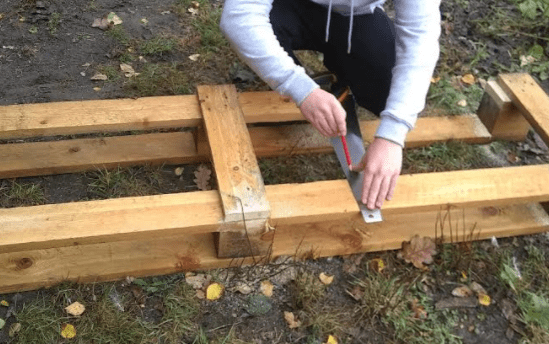
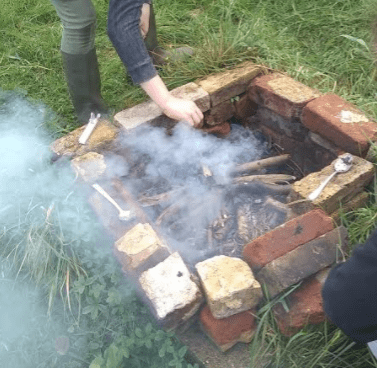
Year 11 is a challenging, and often overwhelming time for young people. GCSE examinations are getting tougher, mental health in children and young people is on the increase and post-16 choices can be both competitive and daunting.
The Raedwald Trust Outreach Team works alongside schools to help keep children and young people in mainstream education where possible. Historically, the Trust has offered one-to-one outreach support for pupils, which whilst effective, can be costly for schools. As an alternative option, the Outreach Team at the Raedwald Trust has developed two new programmes for Year 11 pupils: The Resilience Programme and The Refocus Programme. These programmes are designed to give schools’ most vulnerable young people a chance to refocus and re-engage in a new and smaller learning environment and prepare them for examinations, post-16 pathways and the wider world whilst remaining very much a part of their mainstream school community.
The Resilience Programme aims to refocus pupils whilst building resilience and self-esteem and encouraging positive life choices. It is designed to support Year 11 pupils who are at risk of underachieving due to social and emotional difficulties.
The Refocus Programme aims to refocus and re-engage Year 11 pupils who are at risk of permanent exclusion and/or offending behaviour, whilst encouraging positive life choices.
Both programmes started in January 2020 and will run for 12 weeks throughout the Spring term. Pupils attend the programmes every morning, 5 days a week, and then return to their mainstream school in the afternoons. After being offered breakfast on arrival, the pupils take part in daily English and maths lessons to prepare them for their examinations, bespoke Personal, Social, Health and Economic (PSHE) lessons tailored to address their specific needs, a careers programme and off site trips and activities.
The programmes feature a ‘Reading Week’ which, amongst other things, will see the young people visiting the local hospital children’s ward to read to some of the younger patients. Volunteers from ‘Volunteering Matters’ will also visit the young people on the programmes to encourage reading and to listen to them read one-to-one.
The two programmes have been carefully designed to work closely with the pupils’ local community, enhance their ‘cultural capital’ with enriching extra curricular activities, and give them a taste of the world of work through employment encounters. They also have a significant focus on mental health and well-being, offering weekly “Drawing & Talking” therapeutic sessions run by a qualified practitioner (who is also one of Raedwald Trust’s on-site Mental Health First Aiders). Well-being workshops are also scheduled for pupils and their parents to attend in March.
Each young person will be also assigned an external mentor who will meet with them regularly throughout the programme.
The programme will finish with a reward ceremony at the end of term which parents, carers and mainstream school staff will be invited to attend. The aim of this event will be to celebrate the achievements and success of the pupils and showcase the work completed by them across the term. The young people will be involved in the planning of the event and will work with catering and hospitality tutors at Suffolk New College to plan and produce cakes and refreshments to serve on the day.
Alice Crozier-Green, Head of Service at Raedwald Trust said: “The Refocus and Resilience projects are two new and exciting programmes designed to re-engage some of our most vulnerable and disaffected young people during, what is, a critical time in their mainstream school career.”
“If successful, my hope is to offer similar programmes to other year groups, both primary and secondary, to help children and young people progress academically, socially and emotionally, and make positive life choices in order to improve life chances both in school and the community.”
For more details about the Refocus and Resilience projects at the Raedwald Trust, as well as other intervention and outreach services, please click here.

On Tuesday 3rd December, Raedwald Trust staff and visiting local high schools attended a very special session led by Bal Kaur Howard at Lindbergh Campus.
Bal is a speaker and trainer in the subjects of domestic abuse, risk assessment, honour based abuse, forced marriage, female genital mutilation, radicalisation / extremism, modern day slavery and addiction. She has developed and delivers training for front-line practitioners in health, social care, the police, education and the voluntary sector.
On her visit to the Raedwald Trust, Bal’s two-hour session centred on ‘Harmful Practice’ training – covering forced marriage, spirit possession and honor based abuse. Bal ended the session with her own extraordinary story.
Born in India and brought to Britain aged one, Bal was forced into marriage at the age of 17. Bal went back to education at the age of 26 after escaping from her forced marriage, and subsequently has been disowned by her family for over 20 years.
For many years, Bal was employed by Suffolk Constabulary as a Project & Performance Officer for honour based violence (forced marriage, female genital mutilation) in a countywide domestic abuse unit. She was responsible for developing policies, procedures and training for police officers and partner agencies to enhance the service to victims and potential victims. For three of her years at Suffolk Constabulary, she was based within the child sexual exploitation / child investigation abuse unit.
The Raedwald Trust invited Bal to speak to staff members as part of its ongoing commitment to their continuing professional development, and also so they could experience how incredibly inspirational she is as a speaker.
Laura Leader, PA for the Raedwald Trust was present at the session. Laura said: “Bal was amazing!
“The issues and experiences she has been faced with in her life (and how she dealt with them) are truly unforgettable. She is a true inspiration.”
For more information about Bal, click here to visit her website.

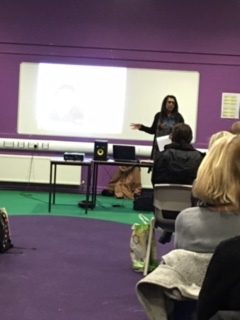
On Thursday 21st November the very first meeting of the Raedwald Trust Pupil Committee took place in the Mayor’s Parlour, located in Ipswich Town Hall.
Schools within the Raedwald Trust sent pupil representatives to the meeting. Roger Fern – Raedwald Trust Chair of Trustees, Ashlee Jacobs – Pedagogical Lead at the Raedwald Trust, and Raedwald Trust staff representatives from all sites attended to support pupils.
The Raedwald Trust Pupil Committee provides an avenue for council members from individual schools across the Trust to communicate issues that are important to them.
The first meeting established the ‘Raedwald Trust Pupil Charter’, which is broadly based on the United Nations Convention on the Rights of the Child.
Pupils identified articles within the convention that they felt were relevant to their fellow pupils. This input fed into the newly created ‘Raedwald Trust Pupil Charter’.
Key themes identified in the pupil charter were:
- Everyone who works with children and young people should always do what is best for each person.
- Children and young people have the right to say what they think and have their views respected
- All children and young people have the right to life and to develop to their full potential.
- Children and young people must be looked after and kept safe.
- Children and young people have the right to learn and must be given an education
- Children and young people have the right to relax and take part in a wider range of cultural and artistic activities.
Initial discussions and planning around an exciting ‘life changing experiences’ scheme for all young people within the Trust has now also started.
It is safe to say that the first meeting was a resounding success! Going forward, the Raedwald Trust Pupil Committee aims to:
- Provide a forum for essential collaboration, using combined experiences, to sustain and develop school improvement in common activities and issues through listening to the pupils from across the Trust.
- Provide a forum for individual pupil council representatives (from each Raedwald Trust site) to discuss individual school concerns, contributing to solutions at a Trust level.
- Respect each school’s individual ethos, culture, values and identity. (Pupils will participate in committee meetings in a way which is most appropriate to their developmental and individual needs.)
- Recognise and aspire to excellence for each school.
- Agree procedures and protocols within the group to ensure there are similar aspirations, ambition, expectation and standards in the schools.
- Celebrate success across the Trust.
- Build cohesion, confidence and skills among children and young people, empowering them to influence whole Trust initiatives.
Ashlee Jacobs, Pedagogical Lead at the Raedwald Trust said: “Our vision is to ensure improved outcomes for children and young people through the creation of the Raedwald Trust Pupil Committee.”
“The pupils who attended the meeting were an absolute credit to each of their schools. Pupils were engaged, respectful and thoughtful throughout the afternoon.”
Roger Fern, Raedwald Trust Chair of Trustees commented: “The pupils and students who came to the Mayor’s parlour were excellent.
“Although the Mayor, Councillor Jan Parry, wasn’t able to attend, the Town Sergeant, Andrew Beal, was. After the visit he was very complimentary about the response of all the pupils and students both when they were investigating the regalia in the parlour and working in the Mayoress’ Parlour on the charter.”
Future work by the pupil committee will include raising money to help support all pupils across the Trust to access new and exciting experiences, joint work with members of Friends of Raedwald Trust (FORT), and looking into accessing a space to display Raedwald Trust pupil artwork.
Termly meetings of the Raedwald Trust Pupil Committee are planned to take place throughout the school year.
For more information about the Raedwald Trust’s vision for young people in its care, please click here.

Being able to help a young person with their mental health can immeasurably change their emotional, academic, psychological and social wellbeing.
The Raedwald Trust are proud to offer a series of two-day Mental Health First Aid (MHFA) Youth training courses in association with MHFA England that are available to book now.
The internationally recognised Mental Health First Aid (MHFA) training course is designed to teach people how to spot the signs and symptoms of mental ill health and provide help on a first aid basis. The youth course is tailored for people who teach, work, live with and care for young people aged 8 to 18.
On completion of the course, delegates can be classed as a Youth Mental Health First Aider. Youth Mental Health First Aiders have:
– An in-depth understanding of young people’s mental health and factors that affect wellbeing
– Practical skills to spot triggers and signs of mental ill health
– Confidence to reassure and support a young person in distress
– Enhanced interpersonal skills such as non-judgemental listening
– Knowledge to help a young person recover their health by guiding them to further support
– Ability to support a young person with a long-term mental health issue or disability to thrive
– Tools to look after their own mental health
The course is delivered in 4 sections: About mental health; Depression and Anxiety; Suicide and Psychosis; Self-Harm and Eating Disorders.
In addition, the two days will also focus on the issues faced by young people today, such as cyber bullying and substance misuse. It will also cover how to promote protective factors (conditions or attributes that help people deal more effectively with stressful events) and good parenting.
All delegates will receive:
– A workbook during training
– A mental health manual to take away
– A MHFA England certificate
Kate Kingsford-Bere, Lead Teacher at Ipswich Hospital said: “Having taken this course, I am now confident in signposting vulnerable young people to mental health support and in talking to them about the issues they face.
“This course is life changing in many ways – both for the delegates and for those they are able to support in the future.”
The MHFA Youth Course provided by Mental Health England is available in Ipswich and the surrounding areas at a cost of £150 per delegate on the following dates:
– 17th & 18th December 2019
– 15th & 16th January 2020
– 12th& 13th February 2020
– 23rd & 24th March 2020
– 23rd & 24th April 2020
– 20th & 21st May 2020
– 15th & 16th June 2020
– 16th & 17th July 2020
To book your place, please email MHFA@raedwaldtrust.org or contact Laura Leeder on 01473 550472.

First Base Bury St Edmunds Academy, a pupil referral unit for Foundation Stage and Key Stage 1 children, is the newest addition to the Raedwald Trust family of schools.
First Base pupils attend the school on a dual registered basis – pupils spend three days each week in their mainstream school and two days at First Base. The team ensure they work closely in partnership with individual pupil’s mainstream teachers to ensure harmony with the mainstream school curriculum.
Pupils attend First Base for an average of two terms (the length of time varies according to their needs and progress) and the curriculum is designed to equip them with the academic, social and emotional skills to allow them to attend a mainstream setting full time. This approach allows First Base Bury St Edmunds Academy and the mainstream school to work together to give the child a personalised curriculum that supports both their learning needs as well as their emotional and behavioural needs.
The teaching at First Base is based on the ‘Nurture Group’ approach – a hybrid of the home and school environment, designed to bring together aspects of the National Curriculum with a social, emotional and mental health (SEMH) curriculum that addresses any unmet social, emotional and behavioural needs of pupils in the group.
The Nurture Group approach is underpinned by six principles:
– Children’s learning is understood developmentally.
– The classroom offers a safe base.
– The importance of nurture for the development of well being.
– Language is a vital means of communication
– All behaviour is communication.
– The importance of transition in children’s lives.
The First Base Bury St Edmunds curriculum is designed to give pupils academic, social and emotional skills so they can attend a mainstream setting full time. It aims to develop and strengthen pupils’ core English, maths, speaking and listening, personal and social skills; widen educational experience and enhance engagement with learning that leads to accelerated academic progress and success in mainstream school; and ensure reading is fundamental to pupils’ success in school – this is front and centre of First Base’s academic offer.
First Base also include their pupils in a number of extra curricular activities. A recent coffee morning for Macmillan Cancer Support, raised an amazing £180 for the charity. There are also plans to hold a coffee morning for the residents of a local retirement home, Oxlip House.
First Base, also has a new ‘Meadow School’ thanks to funding from Tesco. The Meadow School includes a mud kitchen and resources for gardening and growing plants.
Sonia Myhill, Head of School at First Base Bury St Edmunds said: “We are proud of our achievements at First Base, and are delighted to be part of the Raedwald Trust.
“We have recently been awarded the Quality Mark Nurture Award for the second time, which is a brilliant recognition of our ‘Nurture Group’ approach to teaching.
“The aim of our approach is always that a child returns full time to their mainstream school, as a happy and successful learner – and this is what we strive to achieve with each of our pupils.”
For more information about First Base Bury St Edmunds, including contact details, please click here.

On Monday 11th November, Ashlee Jacobs, Pedagogical Lead at the Raedwald Trust delivered a guest lecture to second year psychosocial and psychoanalytic studies students at the University of Essex.
The two hour lecture examined how professionals in the alternative provision sector approach working with children and young people who have been excluded from mainstream education as well as making links to theories around childhood development.
As part of the lecture, students were given an overview of figures obtained from the January 2019 census:
– 41 pupils are excluded from English state schools every day.
– The number of pupils ‘on-roll’ with an alternative provision provider was 14,000.
– The number of pupils with SEND (Special Educational Needs and Disability) without an EHCP, accessing Alternative Provision was 11,000.
– The most common reason for permanent exclusion is persistent disruptive behaviour.
– Top risk factors that increase the likelihood of a child being excluded are poverty and special educational needs.
– It takes five generations for a child in England, born into a low income household, to approach the mean income of society.
Ashlee also led a discussion about the importance of positive working relationships between staff, pupils and families as an integral part of work in alternative provision, as well as talking about theories of brain development and the impact of early childhood trauma.
Ashlee said: “I was delighted to be asked to lecture at the University.
“The census figures are really quite stark. Hopefully delivering the lecture helped to educate and inform students about the realities of why young people access alternative provision and how we, as professionals within the sector, can help realise their untapped potential.”
Prior to the lecture, Ashlee had been working closely with Dr. Jessica Clark (PhD, SFHEA, FRGS) from the psychosocial and psychoanalytic studies department at the University of Essex on the subject of alternative provision. Going forward, they are looking to work on further research projects that will ultimately benefit young people and their education. Potential subjects include boys generally (looking at ambitions, imagined futures, generational and peer relationships and post me-too gender relations), and girls excluded from mainstream settings (as an understudied minority).
The Raedwald Trust is committed to developing its provision in line with the latest research, and strive to ensure that teaching programmes reflect new findings accordingly. In this way, young people get the best provision possible, leading to improved academic and wellbeing outcomes.
Lindbergh Campus’ Year 11 students who are working towards their BTEC Level 1 in Construction, have wowed their instructor with an exceptionally high standard of work.
The students in the group have been studying the ‘Developing Home Improvement Skills’ unit as part of their BTEC Level 1 Construction course. During this term, students have been given the opportunity to carry out practical tasks in wall tiling, rendering, basic electrical works, bricklaying, painting & decorating and decorating & roofing.
Mr Clive Coote, Construction Instructor said: “This term we have been focusing on home improvement skills which has involved the students carrying out lots of different tasks each week.
“The students are usually really enthusiastic when it comes to the practical element of the courses, and the standard of work completed has exceeded our expectations. The feedback from the students has been excellent to date and they often tell us they can’t wait to come back the following week. Generally their behaviour is very positive whilst with us and they get on well with the team here and instructors.”
The BTEC in Construction is a qualification the Raedwald Trust offers in partnership with Eastern Region Training. The partnership started in January 2019, and focuses on providing small groups of students with training on BTEC Level 1 Construction courses, including Bricklaying & Plumbing.
Once the students have completed their courses, further education could be a route they choose, with college courses in specific areas of construction or apprenticeships within construction companies being a potential option for them. Future careers could include becoming plumbers, electricians, roofers, plasterers or painters & decorators.
Mr Clive Coote said: “The courses have proved to be extremely popular among students, with many returning each term to study something different and get qualified whilst doing so.
“From plumbing to wall tiling, the standard of work has been fantastic and it has been a pleasure to teach them. I’m looking forward to continue to teach the students over the coming months and seeing how far they can all progress.
“We are very proud of the programme developed alongside the Raedwald Trust and are passionate about ensuring that students not only gain skills whilst with us, but enjoy doing so at the same time.”


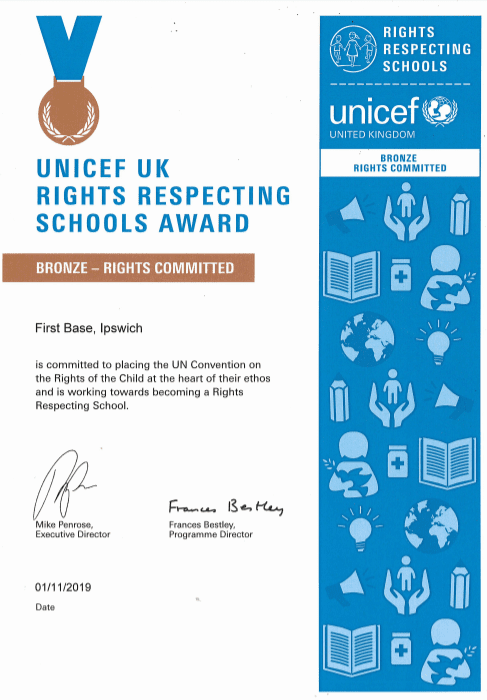
First Base Ipswich Academy has been awarded the United Nations Children’s Fund (UNICEF) Rights Respecting Schools Bronze Award.
Gaining the award involved the whole school learning about children’s rights and putting them into practice every day. In rights respecting schools, children’s rights are promoted and realised, with adults and children shown to be working towards this goal together.
In order to receive the UNICEF Rights Respecting Schools Bronze Award, First Base Ipswich had to first inform the school community that they were working on the award. Staff then learnt about the United Nations Convention on the Rights of the Child (UNCRC) and introduced it to the children. Questionnaires were then put out to the school community to establish an understanding of the UNCRC, and to also find out how they felt about the school – particularly whether they felt safe and listened to.
Gaining the award also involved reviewing current school practice and making an action plan for becoming ‘rights aware’ – with deliberate decisions about daily interactions, explicit teaching and learning plans as well as involving and engaging the Raedwald Trust Student Committee.
All of the information was then collated and sent to a UNICEF Professional Adviser for review and approval.
Miss Stacey Laws, Head Teacher at First Base Ipswich Academy said: “We went for the Rights Respecting School Award for two reasons: Firstly, due to the proven impact that it has in schools. A UNICEF survey showed that child rights education plays a key role in developing children and young people as active, engaged local and global citizens. Children in rights respecting schools also feel safe in school, feel respected by and enjoy supportive relationships with the adults who care for them and are engaged with their local community, their education and the global agenda.
“Secondly, and perhaps most importantly, the award aligns with our core values as a school. The Rights Respecting School Award recognises and embeds these values in the context of the United Nations Convention on the Rights of the Child. Everything that we do at First Base Ipswich helps to create a safe and inspiring place to learn, where children are respected, their talents are nurtured and they are able to thrive.
“When we designed our new curriculum we wanted to ensure that our children were learning about their rights as a way of increasing their cultural capital and preparing them for the next stages of their lives.
“We are now going for the UNICEF Rights Respecting Schools Silver Award. This will consist of completing and building on all the actions on our Bronze award action plan and monitoring the impact that this is having on the whole school community. It is our aim that the children see themselves as rights respecting global citizens and able to talk about fairness and children’s rights, both locally and globally.”
For more information about First Base Ipswich Academy, please click here.

Literacy and reading training has been brought to the forefront of professional development for staff across the Raedwald Trust.
This exciting opportunity, supported by the Ipswich Opportunity Area project, will ensure that all Raedwald Trust sites have a sharp focus on reading across the curriculum. This focus will include specialist training for staff about dyslexia, and direct development in terms of effectively assessing and delivering phonics and specialised reading strategies from Early Years Foundation Stage (EYFS) to Key Stage 4. This will be supported by quality Continuous Professional Development (CPD) and an ongoing dialogue about how the life chances of all children and young people across the Trust can be improved.
The training will ensure that a consistent and evidence informed approach to the teaching of reading will be embedded across the Trust, which is clearly and progressively evident within each setting’s curriculum. This will be achieved through the following training modules:
– “Readers make great leaders”
– “The Theory of Reading”
– “Developing a whole school reading culture”
– “Pure Phonics Subject Knowledge”
– “Best practice in phonics teaching”
– “Phonemic awareness in EYFS”
– “Securing Reading Fluency”
– “What happens when phonics goes wrong?”
– “Reading for Life”
– “Building a literature spine”
– “Securing accurate retrieval”
– “Progression in inference”
– “Reading toolkit”
– “Authorial intent and the whole text”
The specialist training modules will be delivered by Lauren Meadows from Greenfields Education throughout this academic year, and all staff are invited to attend. The training will also involve Special Educational Needs and Disability (SEND) teams, who will work within their sites to support staff development and understanding; this includes Level 3 training in Dyslexia across sites. In-school reading reviews will take place in March 2020 to ensure that the training and progress is on track.
Nationally, 21.7% of pupils have some form of Speech, Language and Communication Need (SLCN) and 12.5% have a Specific Learning Difficulty (SpLD). In Alternative Provision, these figures are often higher, having an impact on students’ capacity to access the curriculum. By upskilling staff, specific difficulties will be identified earlier and will ensure targeted support is put in place across the curriculum.
Mrs Ashlee Jacobs, Pedagogical Lead at the Raedwald Trust said: “Reading is a life skill which opens the world to pupils; it is essential that we give our them the skills and abilities to access the wider world and increase their capacity for success in the future.
“All schools at the Raedwald Trust will examine their oracy, language around emotional literacy and more widely increasing the vocabulary of our pupils and all staff will receive training about early language development, reading and comprehension.
“We want to ensure that all staff across the Trust are equipped to support pupils in developing reading fluency and comprehension, whatever their starting point.
“This training is a great opportunity for all our staff and pupils and we are excited to see what the outcome will be.”

We are delighted to be featured in this week’s edition of Schools Week as the editor’s top pick. Read the article here – schoolsweek.co.uk/wp-content/upl
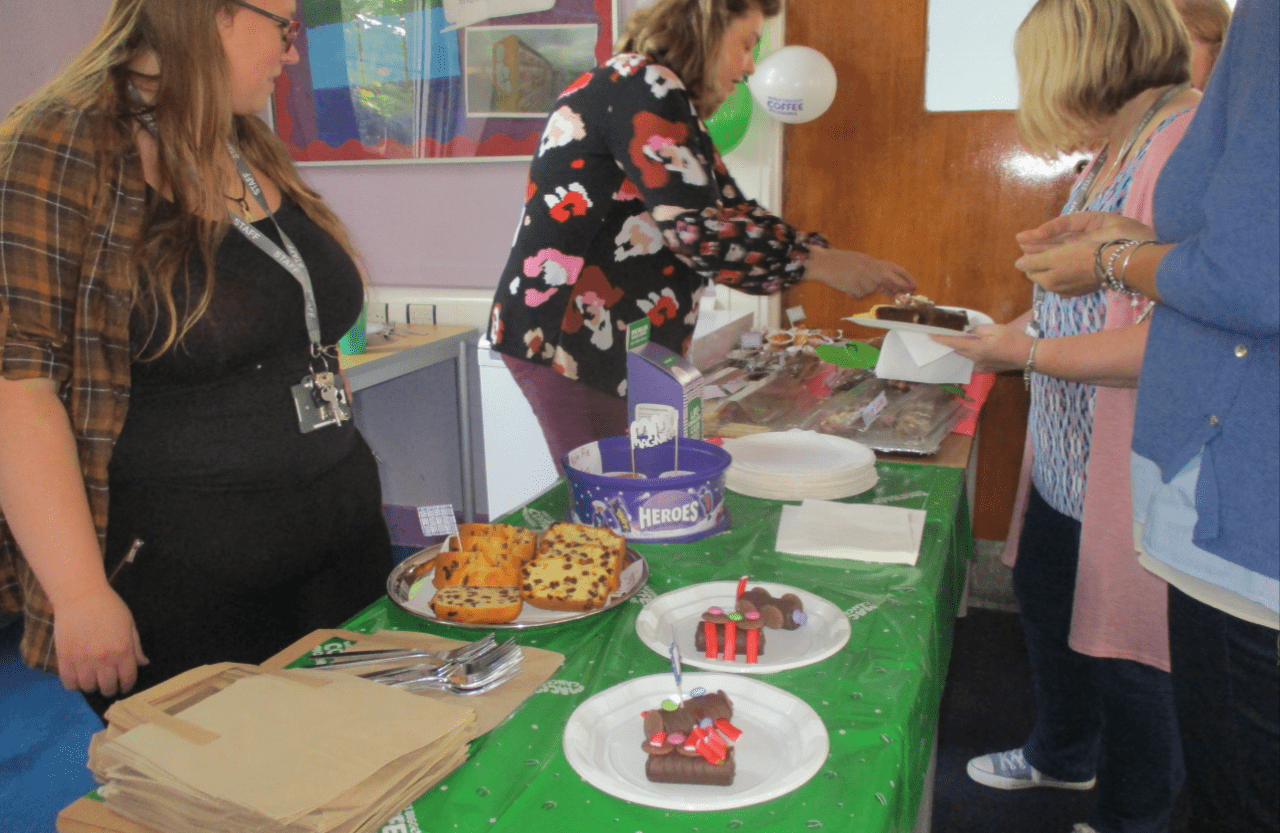
Last month, students and staff members across the Raedwald Trust joined in with Macmillan’s ‘Worlds Biggest Coffee Morning’ by holding sales and events at sites across the Trust.
Students at Montgomery Road Campus baked a big batch of cakes for Macmillan and then took their stall mobile by visiting each of the Trust sites to sell their cakes!
Julie Cox, Head of School at Montgomery Road said: “The Monty boys raised £53.04 with their mobile cake sale in aid of Macmillan cancer. Congratulations to those involved who planned and budgeted to make £40.00 – you exceeded expectations and have proved yourselves to be star bakers!”
Lindbergh Campus also held a Macmillan Coffee morning, with students helping to set up and serve whilst Kim, Amanda and Nicola from Lindbergh assisted. The event was attended by parents, carers and students.
Kim Charlesworth, Head of School at Lindbergh said: “We were delighted to see our Chair of Trustees who came to support us, as did the coaches from Positive Futures (a national sports and activity social inclusion programme which works with young people to prevent anti-social behaviour and reduce crime). We also put on an Art Exhibition for student Arts Awards and the whole morning was deemed a massive success. The icing on the cake was that we raised £90!
“A special thank you goes to one of our teachers, Nicola Edwards, for all her baking and efforts making posters.”
At Raedwald Trust we work hard to support charities and local communities by engaging our students in these activities. We believe that there is significant benefits for our students, staff and communities when we raise the profile of charities such as Macmillan.
Thank you and well done to everyone who took part and supported this fantastic cause!
At the Raedwald Trust, the professional development of staff is a top priority. By investing in the skills of staff, students across the Trust will be the ultimate beneficiaries.
The Raedwald Trust has recently been awarded a grant from the Ipswich Opportunity Area initiative to develop a pioneering professional development scheme that it hopes will benefit schools across Ipswich and beyond. Launched in January 2018 with the aim of improving children’s educational outcomes in Ipswich, it is one of 12 areas around the UK identified by the Department for Education to share £72 million in targeted government funds.
The Trust has commissioned the Orwell Teaching School Alliance to design the project which will be rolled out from this month.
The professional development scheme challenges conventional school performance management techniques based on pupil results or outcomes, and replaces them with a scheme that requires teachers and support staff to take responsibility for achieving their own professional goals. Its creators believe the approach can benefit other schools and wants to offer it as a tool others can also use.
In addition to the new professional development scheme, recent training that has taken place across the Trust includes ‘Mental Health First Aid’ and a visit from Junior Smart – an ex-offender, and now a social entrepreneur and founder of the SOS Gangs Project which helps transform the lives of troubled young people and ex-offenders.
There is also a current staff training focus around reading as a ‘cultural capital’ experience led by Greenfields Education. Look out for more information about this in future articles.
Training takes place with staff from across the Trust, not just within the individual academies. As well as skills and knowledge being shared, a ‘one team’ mentally is fostered and encouraged amongst Trust staff.
Angela Ransby, CEO of The Raedwald Trust, said: “We’re asking every member of our team to commit to their professional growth and in return we will provide them with all the resources they need to achieve their goals.”
“We teach some of the most vulnerable children in Ipswich and strive to offer them the highest quality academic, social and emotional education. The services we provide are vital to our pupils and their families, and to our wider community. To deliver them, it’s crucial that we also develop ourselves to be the best we can be, and in doing so feed our organisation, our local area, and the teaching profession as a whole.
“The programme asks individuals to measure their performance against national professional standards to identify gaps in their practice and pinpoint avenues of learning and development to pursue. They select a clear focus area of study and practice for the year, and are able to access an extensive library of online resources, including literature, online videos and other targeted activities.
“By making Professional Development a contractual requirement for our staff, we believe that we ‘feed’ the Trust and strengthen our impact on children. Sometimes the impact is direct and we can see the benefit immediately, and sometimes it’s organic and indirect with results showing over time.
“The funding is a gift to us that we would eventually like to use to support other schools. This is an opportunity not only for The Raedwald Trust but for the whole of Ipswich.”